Nitric Oxide 101: What It Does and Why Men Ask About It
A plain-English guide to nitric oxide: what it is, how the body makes it, and why it matters for circulation, training and daily energy.
Nitric oxide gets a lot of attention in sports nutrition and men's health. Behind the marketing is a genuinely interesting molecule. Here is what it is, how your body makes it, and why so many supplements are built around it.
What nitric oxide is
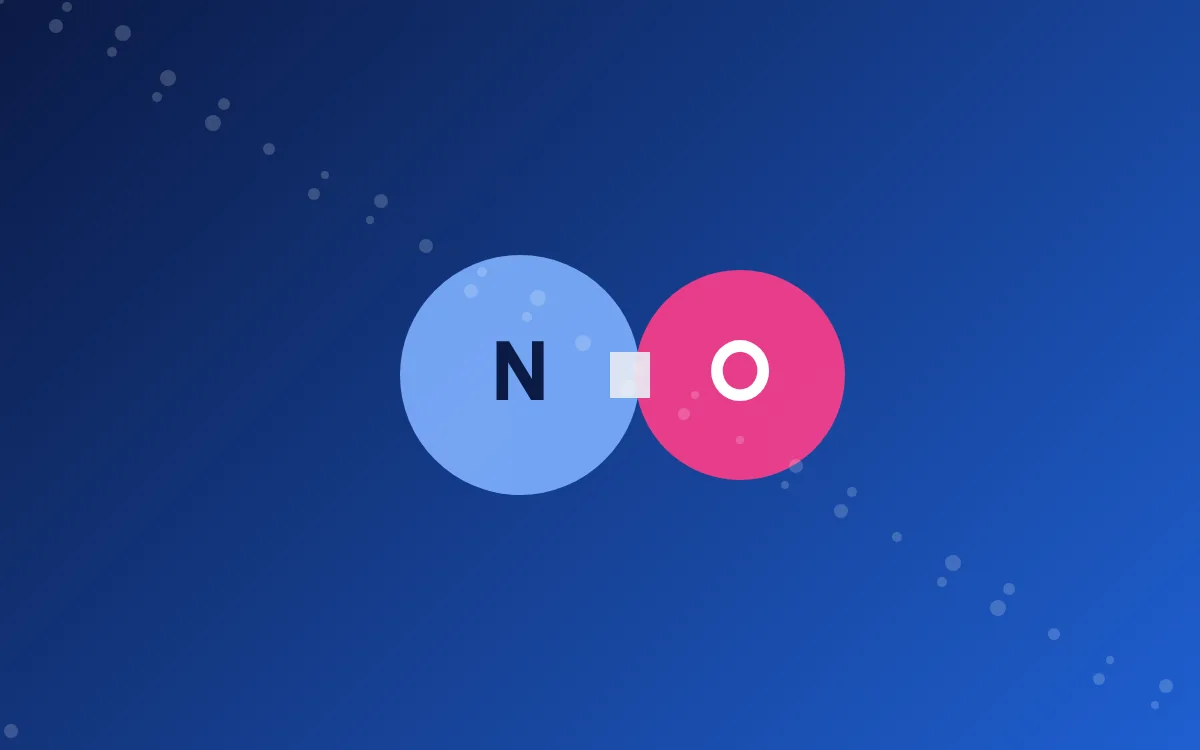
Nitric oxide (NO) is a small gas molecule made of one nitrogen atom and one oxygen atom. Your body makes it constantly and uses it as a messenger. It lasts only seconds before breaking down, so it works locally, close to where it is made.
Its best-known role is in blood vessels. The thin layer of cells lining your vessels, called the endothelium, releases nitric oxide. That signals the smooth muscle in the vessel wall to relax, which lets the vessel widen. This is one of the ways the body matches blood flow to demand, for example sending more blood to working muscles during exercise.
Two ways the body makes it
1. The arginine route
Enzymes called nitric oxide synthases convert the amino acid L-arginine into nitric oxide. The body also recycles L-citrulline back into L-arginine, which is why both amino acids show up in nitric oxide formulas. Read how citrulline and arginine compare.
2. The nitrate route
Dietary nitrate, found in beetroot, spinach, rocket and other vegetables, takes a different path. Bacteria in your mouth convert some of it to nitrite, and the body can then turn nitrite into nitric oxide. This route is especially relevant when oxygen is low, such as in hard-working muscle. More on beetroot and nitrates.
Why men pay attention to it
- Circulation: nitric oxide is central to how blood vessels relax and how blood flow is regulated.
- Training: working muscles need more blood, which is why nitric oxide ingredients are common in pre-workout and endurance products.
- Age and lifestyle: nitric oxide signaling tends to decline with age, inactivity, smoking and poor diet.
What actually supports healthy nitric oxide levels
The basics come first. Regular aerobic exercise is one of the strongest signals for healthy endothelial function. A diet rich in vegetables supplies nitrates. Not smoking, sleeping well and managing your weight all support healthy blood vessels.
Supplements such as Nitric Boost Ultra are designed to sit on top of those habits. They combine nitrate sources like beet root with amino acids like L-citrulline and L-arginine to support both routes.
Important: some medications, including nitrates for chest pain and certain erectile dysfunction drugs, act on the same pathway. If you take any of them, or have heart or blood pressure problems, speak to your doctor before using a nitric oxide supplement.
The bottom line
Nitric oxide is a short-lived but important messenger, and healthy circulation depends on it. You support it mostly through how you live. A well-designed supplement can be one extra part of that routine. See how Nitric Boost Ultra fits in.
This article is for general education and is not medical advice. Talk to a qualified healthcare professional about your own situation.