Circulation & Blood Flow
How nitric oxide relates to healthy blood vessels, and the listed ingredients connected to it.
Why it matters
Your circulatory system moves oxygen and nutrients to every tissue. The cells lining your blood vessels produce nitric oxide, which signals the surrounding muscle to relax. That is part of how vessels widen when more blood flow is needed. Nitric oxide production tends to decline with age and inactivity, which is why men often look for ways to support it.
Listed ingredients linked to this area
Beet root powder
A source of dietary nitrates, which the body can convert to nitrite and then to nitric oxide.
L-citrulline DL-malate
Converted by the body into L-arginine, helping keep the nitric oxide pathway supplied.
L-arginine
The amino acid that nitric oxide synthase enzymes use to make nitric oxide.
Ginkgo biloba powder
A leaf traditionally used for circulation. Note: it may interact with blood-thinning medication.
Ingredient amounts per serving are not published on the seller's page. See the Supplement Facts panel on the jar.
Habits that make the biggest difference
- Walk briskly or do cardio most days of the week
- Eat leafy greens and beets for dietary nitrates
- Avoid smoking, which damages blood vessel lining
- Ask your doctor about your blood pressure and cholesterol
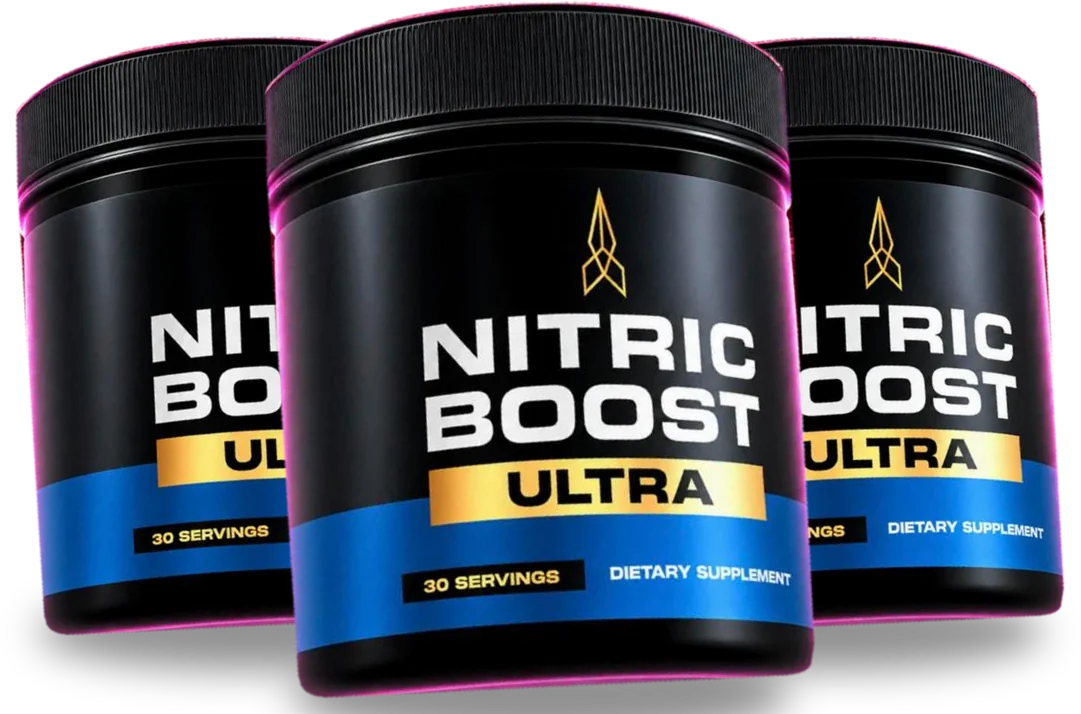
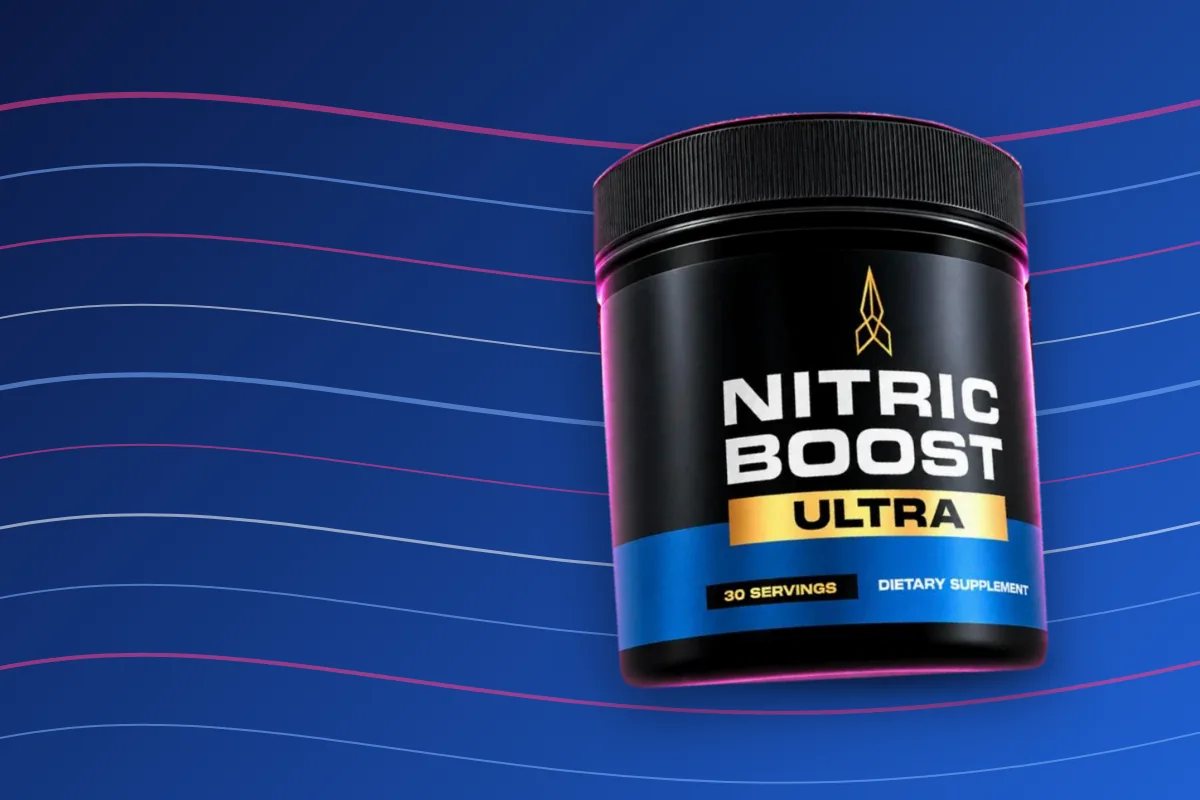
Nitric Boost Ultra is a dietary supplement. It is not intended to diagnose, treat, cure or prevent any disease. Talk to your doctor before use if you take medication or have a health condition.